Are Invisible Grills Monsoon-Proof? A Pune Homeowner’s Guide to Rain and Rust
As the monsoon season approaches in Pune, a common concern for homeowners is how their exteriors will hold up. Let’s talk about how invisible grills perform in the face of heavy rain.
The Annual Worry: Rust and Decay
Every year, as the skies over Pune darken and the first rains arrive, homeowners with traditional iron or mild steel (MS) grills begin a familiar routine: checking for rust. The constant moisture and humidity during the monsoon are relentless, and before long, unsightly orange streaks begin to stain the walls, and the structural integrity of the grill itself starts to weaken.
This has led many prospective buyers to ask us a critical question: “Will your invisible grills rust too?” The answer, rooted in material science, is a definitive no.
The Ideal Advantage: Engineered for the Elements
Our invisible grills are not just a safety feature; they are an all-weather solution designed to be completely maintenance-free, especially during the challenging monsoon season.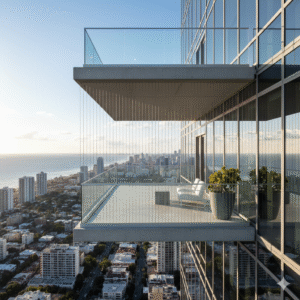
1. The Power of 316 Marine-Grade Stainless Steel
The “secret weapon” against rust is the quality of our steel. We exclusively use **316 Marine-Grade Stainless Steel** for a very specific reason.
- A Scientific Defence: This grade of steel contains an element called molybdenum. This addition creates a molecular structure that is highly resistant to corrosion from chlorides (found in rain) and moisture.
- No Rust, No Stains, No Weakness: Unlike iron, our 316-grade cables will not rust. This means no ugly stains running down your building’s facade and, more importantly, no weakening of the grill’s strength over time.
2. A System Built to Repel Water
- Waterproof Materials: The entire system, from the nylon-coated steel cables to the aluminium tracks and stainless steel fasteners, is designed to be waterproof and non-corrosive.
- No Water Logging: The sleek, thin design of the cables prevents water from pooling or collecting, allowing it to run off quickly and the grill to dry fast.
Invisible Grills vs. Traditional Grills in the Pune Monsoon
Let’s compare the experience:
- Traditional Iron Grills: Require a pre-monsoon check for chipping paint and a post-monsoon session of scraping, priming, and repainting to manage the inevitable rust.
- Ideal’s Invisible Grills: Require absolutely no special care before, during, or after the monsoon. They will look the exact same on the last day of rain as they did on the first.
Conclusion: A True “Fit-and-Forget” Solution for Pune
When you invest in an invisible grill system from Ideal, you are investing in year-round peace of mind. You get a safety solution that is not only strong and beautiful but is also completely unaffected by Pune’s harshest weather. It is the ultimate “fit-and-forget” installation for a modern home.
Ready for a Monsoon-Proof Safety Upgrade?
Choose a solution that is built to last. Contact Ideal today for a free consultation on our all-weather invisible grill systems.
Introduction to Invisible Grills
Invisible grills have emerged as a contemporary solution for homeowners seeking both functionality and aesthetic appeal in their properties. These innovative installations are typically composed of stainless steel or nylon wires, designed to provide a barrier without obstructing views, which is particularly appealing in urban environments like Pune. Despite their name, invisible grills offer the essential safety that traditional grills provide, preventing unauthorized access while allowing for an unobstructed vista.
The growing popularity of invisible grills can be attributed to their sleek design, which seamlessly integrates with modern architecture. Unlike conventional grills that can appear bulky and unattractive, invisible grills maintain the elegance of a home’s façade, enhancing its overall curb appeal. Moreover, they come in various configurations and can be customized to fit different balconies, staircases, or windows, catering to the diverse needs of homeowners.
Beyond their aesthetic benefits, invisible grills also serve a critical safety function. They act as a physical barrier, ensuring that children and pets are kept safe from potential falls while still allowing for adequate airflow and natural light to flow through the space. The versatile nature of invisible grills makes them an excellent alternative to traditional options, as they do not detract from the outdoor experience, enabling residents to enjoy their surroundings unimpeded.
In addition to safety and design, homeowners are increasingly drawn to the low maintenance requirements of invisible grills. They are typically resistant to corrosion and wear, making them ideal for the diverse weather conditions in Pune. As these features become more recognized, invisible grills continue to gain traction among homeowners looking for reliable and visually appealing protective solutions.
Understanding the Monsoon Season in Pune
The monsoon season in Pune is a significant climatic event that brings substantial changes to the weather patterns in the region. Typically, the monsoon begins around June and lasts until September, during which the city experiences a refreshing transformation with heavy rainfall. These months are characterized by increased humidity and a dramatic drop in temperatures, creating an overall pleasant atmosphere compared to the preceding harsh summer months.
Rainfall intensity during the monsoon season can be quite variable, with some areas receiving substantial downpours while others may only experience sporadic showers. On average, Pune receives around 700 to 800 mm of rainfall during the monsoon. The heavy rainfall can last several days at a time, leading to potential waterlogging in certain areas. Homeowners must be prepared for sudden bursts of rain and prolonged wet conditions, which can impact various structures, including the integrity of grills.
The duration and frequency of rainfall also play a crucial role in defining the monsoon’s characteristics. While the city may witness occasional dry spells, a significant proportion of days within this period are marked by some level of rainfall. This can pose challenges for homeowners not only in terms of water management but also regarding the maintenance and durability of outdoor accessories, such as invisible grills. As these structures are typically designed to withstand varied weather conditions, understanding how these factors interact with monsoon weather is essential for preserving their condition and functionality.
Given the unique climate of Pune during the monsoon, it is imperative for homeowners to consider how incessant rain and humidity could affect the longevity and maintenance of their installations. Preparing adequately for the seasonal changes is necessary to mitigate potential issues arising from weather fluctuations during this time.
The Impact of Rain on Metal Structures
The effects of prolonged exposure to rain on metal structures are significant, particularly regarding the phenomenon of rust and corrosion. When metal surfaces come into contact with moisture from rain, a chemical reaction can occur, leading to the formation of rust. This oxidation process, driven by the presence of water and oxygen, weakens the metal, compromising its structural integrity and longevity.
Invisible grills, often made with steel or aluminum components, are not immune to the effects of moisture. Over time, rain can infiltrate any protective coatings that shield these materials, exposing the underlying metal to humidity and various elements. As this exposure continues, the gelatinous materials used in invisible grills, which are known for their flexibility and transparency, can also be affected. Prolonged moisture exposure can degrade these substances, leading to a deterioration of the grill’s overall performance.
Homeowners should be particularly vigilant about maintaining their invisible grills in rainy climates like Pune, where monsoon season can introduce extended periods of moisture. Proper maintenance becomes crucial to prevent corrosion. This may include regular inspections for any signs of rust or wear on the metal components, as well as addressing minor issues before they become serious problems. Additionally, applying protective coatings or using rust-resistant materials can significantly prolong the life of invisible grills and safeguard them against the adverse effects of rain.
Understanding the impact of rain on metal structures, especially regarding invisible grills, allows homeowners to take proactive measures in maintenance and care. Implementing these practices helps ensure the durability and effectiveness of these installations amidst the challenges posed by rainy seasons.
Materials Used in Invisible Grills: A Focus on Durability
Invisible grills, increasingly popular in urban homes, provide safety without obstructing views. When considering their installation, it is essential to focus on the materials used in their construction, particularly in regions like Pune where monsoon weather is prevalent. Three common materials employed in invisible grills are stainless steel, aluminum, and nylon, each offering unique benefits regarding durability and weather resistance.
Stainless steel is a favored choice due to its robustness and high resistance to rusting. This material is well-suited for environments exposed to moisture, as it can withstand heavy rain without succumbing to corrosion. Its longevity makes stainless steel an excellent investment for homeowners, as it requires minimal maintenance. Moreover, quality stainless steel invisible grills can retain their aesthetic appeal over time, making them a practical and attractive option for those living in Pune.
Another popular material, aluminum, is lightweight yet strong, providing a good balance between durability and ease of installation. While it is somewhat less resistant to corrosion compared to stainless steel, high-grade aluminum is often treated with protective coatings to enhance its resistance to rain and rust. This makes aluminum invisible grills a suitable choice for areas that experience seasonal rainfall, offering some protection against the elements.
Lastly, nylon emerges as a unique option for invisible grills. Although less conventional, nylon offers good resistance to weathering and is less prone to degradation over time compared to some other synthetic materials. Its flexibility and resilience in various climates make it a viable alternative for those concerned about extreme weather conditions. The decision on the material should be informed by individual needs and the specific characteristics of the Pune climate, ensuring that the selected invisible grills provide not only safety but also enduring quality.
Preventing Rust and Maintenance Tips
Ensuring that invisible grills remain rust-free and functional during the monsoon season requires a combination of regular maintenance and protective measures. Homeowners should establish a routine cleaning schedule to remove moisture, dirt, and debris that can lead to corrosion. A simple weekly wipe-down using a soft cloth can make a significant difference. It is advisable to use a mild detergent mixed with water for this task, as harsh chemicals may damage the protective finish on the grills.
In addition to cleaning, the application of protective coatings can provide an extra layer of defense against rust. Homeowners should consider using a quality rust-inhibiting spray designed for metal surfaces. These coatings can help create a barrier that repels water and prevents rust formation. It’s important to apply the product according to the manufacturer’s instructions and allow ample drying time to ensure maximum effectiveness.
Regular inspections are critical during the monsoon season to catch any signs of rust early. Homeowners should look for areas where moisture may accumulate or where the paint may have chipped away, exposing bare metal. If rust is detected, it is crucial to address it promptly by lightly sanding the affected area, cleaning it, and reapplying a suitable protective covering.
Furthermore, homeowners should ensure proper drainage around the grills. Standing water can accelerate rusting, so maintaining a landscape that directs water away from the grills is essential. It may also be beneficial to install a simple drainage system where applicable.
By adopting these proactive maintenance strategies, homeowners can significantly enhance the lifespan of their invisible grills and safeguard them against the harmful effects of rust during the wet monsoon months. Proper care not only preserves the appearance of the grills but also maintains their functional integrity long-term.
Common Problems Caused by Humidity and Rain
The monsoon season, characterized by increased humidity and consistent rainfall, poses distinct challenges for homeowners, particularly regarding the maintenance of invisible grills. One prevalent issue during this time is the growth of algae. The moist environment fosters the ideal conditions for algae to thrive, leading to unsightly green discoloration on the surface of the grills. This not only affects the aesthetic appeal of the home but can also signal the onset of further degradation if not addressed promptly.
Another concern is discoloration that can occur due to prolonged exposure to rain and humidity. Over time, the finish of invisible grills may become dulled or faded, resulting in a less vibrant appearance. This discoloration is often exacerbated by contaminants in the air, ranging from pollution to residues from nearby vegetation, which accumulate on the grill surfaces. To mitigate these effects, homeowners should regularly clean their grills to maintain both their functionality and visual appeal.
Rust formation is perhaps the most critical issue related to invisible grills during the monsoon. Grills made from metal materials are especially susceptible to rust when exposed to moisture. Water can seep into tiny crevices or joints, leading to corrosion over time. If left unchecked, this can compromise the structural integrity of the grills, leading to unsafe conditions. To combat rust, homeowners are advised to choose grills with anti-corrosive coatings and perform routine inspections, focusing on any areas where water may accumulate.
Recognizing these common problems is essential for homeowners to take proactive measures. By understanding the potential effects of humidity and rain on invisible grills, individuals can better prepare and implement strategies to ensure the longevity and stability of their installations throughout the monsoon season.
Real Experiences: Homeowner Testimonials
Homeowners in Pune have increasingly turned to invisible grills as a safety solution during the monsoon season. Many are eager to share their experiences, particularly regarding the effectiveness of these installations in the face of heavy rains and potential rust issues associated with conventional grills. One homeowner, Neha Sharma, noted, “After installing invisible grills nearly two years ago, I can confidently say they have held up remarkably well during monsoons. Initially, I was concerned about rust; however, regular maintenance has proven to be sufficient in keeping them pristine.”
Similarly, Rajiv Deshmukh shared, “Our experience with invisible grills was overwhelmingly positive. The design allows for excellent airflow while also keeping out rain. We had no significant issues during the heavy downpours last season. The only challenge was keeping the mesh clean from the accumulated mud; a simple wash solved that problem.” Both Neha and Rajiv’s insights illustrate that while maintenance is necessary, the benefits often outweigh the minor inconveniences.
Additionally, Priya and Akash Mehta emphasized the safety features alongside aesthetic appeal: “Having kids at home made invisible grills a no-brainer. They provide a sense of security without obstructing our view or ruining the home’s aesthetic. We faced some rusting near the hinges, but a quick touch-up with appropriate anti-rust paint resolved the issue effectively.” Their experience indicates that while rust can be a concern, using preventative measures can mitigate this problem significantly.
Overall, it is apparent from these testimonies that invisible grills can effectively withstand Pune’s monsoons, provided they are properly maintained. Homeowners appreciate both the safety measures and the visual appeal these grills offer, although occasional upkeep is critical to prevent rust and ensure long-lasting durability.
Expert Opinions: What Do Professionals Say?
When considering whether invisible grills are monsoon-proof, it is essential to gather insights from industry professionals who specialize in installation and home maintenance. According to various installation experts, the structural integrity and material choice of invisible grills significantly influence their performance during the monsoon season. High-quality grills made from stainless steel or aluminum are more likely to withstand not only heavy rain but also the subsequent humidity that accompanies the monsoon. These materials resist rust and corrosion, making them suitable for areas with significant rainfall.
Home maintenance specialists echo these sentiments, advocating for the selection of grills with robust protective coatings. They emphasize that homeowners should prioritize grills that have undergone proper treatment to withstand damp conditions. Experts recommend conducting regular maintenance checks to ensure the grill’s functionality; even the most durable materials can succumb to wear over time if not properly cared for. Cleaning the grills to remove debris and moisture will help prevent rust formation and extend their longevity.
Another point of consideration shared by professionals is the importance of correct installation. A poorly installed invisible grill can create gaps or areas where water accumulates, leading to rust or other forms of degradation. Homeowners are encouraged to work only with certified installers who understand the nuances of positioning and securing the grills in monsoon-prone areas. Proper drainage is key, and ensuring that no water gets trapped will contribute to the overall durability of the installation.
Finally, while invisible grills can significantly enhance both safety and aesthetics, homeowners are urged to balance these benefits with the practicalities of monsoon-related challenges. By choosing high-quality materials, ensuring proper maintenance, and opting for professional installation, homeowners in Pune can enjoy the advantages of invisible grills even during the most challenging weather conditions.
Conclusion: Are Invisible Grills Monsoon-Proof?
As we navigate the rainy seasons in Pune, the question of whether invisible grills are monsoon-proof becomes increasingly pertinent for homeowners. In our previous discussions, we examined the materials typically used for these grills, their susceptibility to rust, and the maintenance required to prolong their lifespan in wet conditions. It is evident that while invisible grills offer robust safety features, their resistance to moisture and rust is contingent upon several factors.
Invisible grills are predominantly made from stainless steel, which is known for its resistance to corrosion. However, this does not imply they are entirely impervious to the effects of prolonged exposure to moisture, especially in extreme weather conditions like monsoons. Homeowners must ensure that the grills installed in their properties are of high quality, as lower-grade materials may succumb to rust more quickly. Regular upkeep, involving cleaning and inspections, can prevent the accumulation of debris and moisture, which are significant contributors to rust formation.
Furthermore, environmental factors, such as exposure to salt from coastal winds or acid rain, can adversely affect the durability of invisible grills. Therefore, it is essential to consider the specific location and climate conditions when installing these grills. Homeowners should also consult with professionals to select the best materials and treatments designed to increase rust resistance.
In conclusion, while invisible grills can be a reliable safety measure during the monsoon, their effectiveness largely relies on the quality of materials and diligent maintenance. For those contemplating their installation, it is advisable to prioritize high-grade stainless steel products and adopt a regular maintenance schedule to ensure longevity, all while keeping in mind the specific environmental characteristics of their region.