Invisible Grills vs. Traditional Grills: A Pune Homeowner’s Guide
Choosing the right safety grill for your balcony or window is a crucial decision. This guide breaks down the differences between modern invisible grills and traditional iron grills to help you make the best choice for your Pune home.
The Age-Old Dilemma: Safety vs. Aesthetics
For decades, Pune residents have had a straightforward but unsatisfying choice for balcony safety: install bulky iron or mild steel (MS) grills. While they served the primary purpose of safety, they came with significant downsides—they blocked natural light, obstructed beautiful views, required constant maintenance against rust, and often made homes feel like a cage.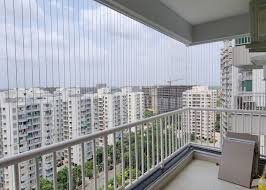
Today, modern technology offers a superior alternative: the invisible grill. As Pune’s local safety experts, we at Ideal want to provide a clear, honest comparison to help you understand the pros and cons of each option.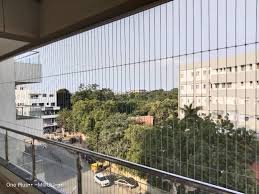
Head-to-Head Comparison: Invisible vs. Traditional
| Feature | 🏆 Invisible Grills (Modern Solution) | Traditional Iron Grills |
|---|---|---|
| Child & Pet Safety | ✔ Excellent | Good |
| Aesthetics & View | ✔ Unobstructed | ✖ Obstructed |
| Material Durability | ✔ Excellent (316 Steel) | Poor to Average (Iron/MS) |
| Rust Resistance | ✔ 100% Rust-Proof | ✖ Prone to Rusting |
| Maintenance | ✔ Zero Maintenance | ✖ Requires Regular Painting |
| Initial Cost | Moderate | ✔ Low |
| Long-Term Value | ✔ High | Low |
A Deeper Look at Each Factor
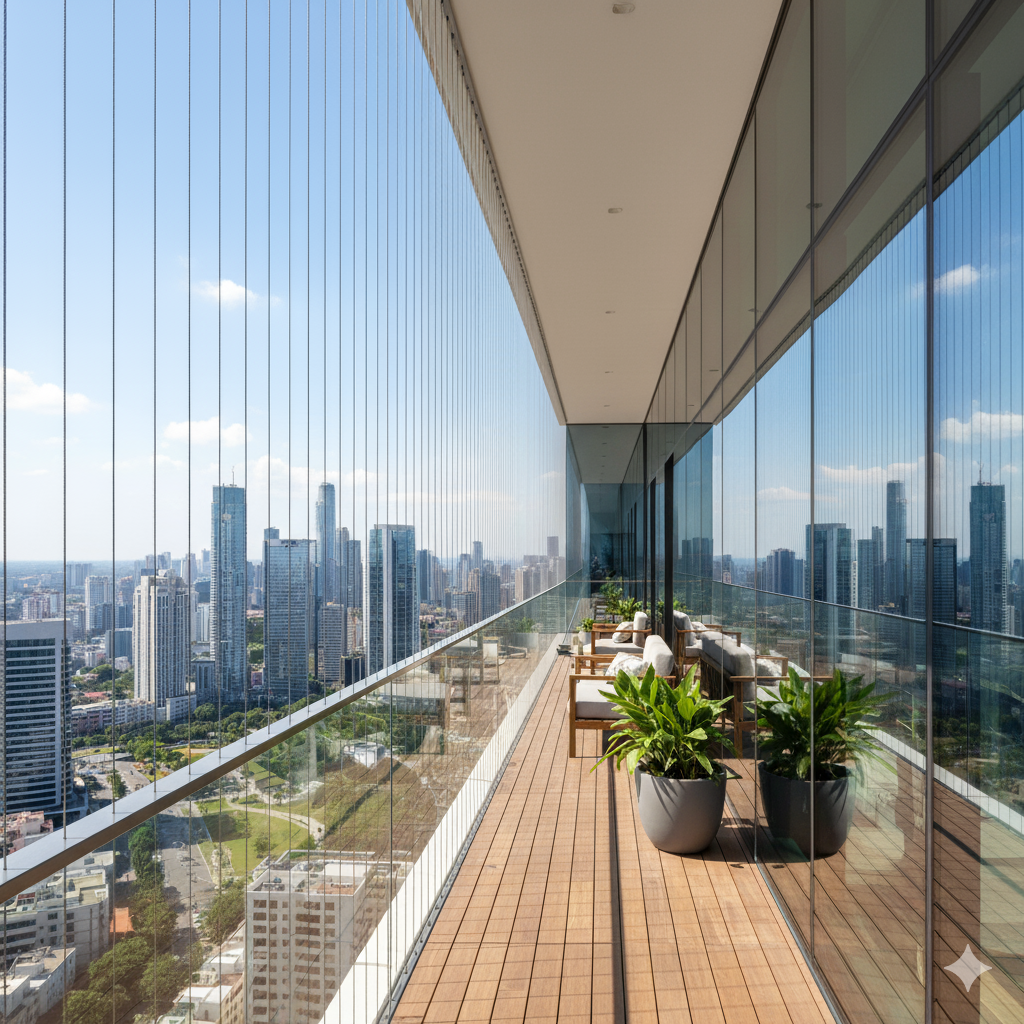
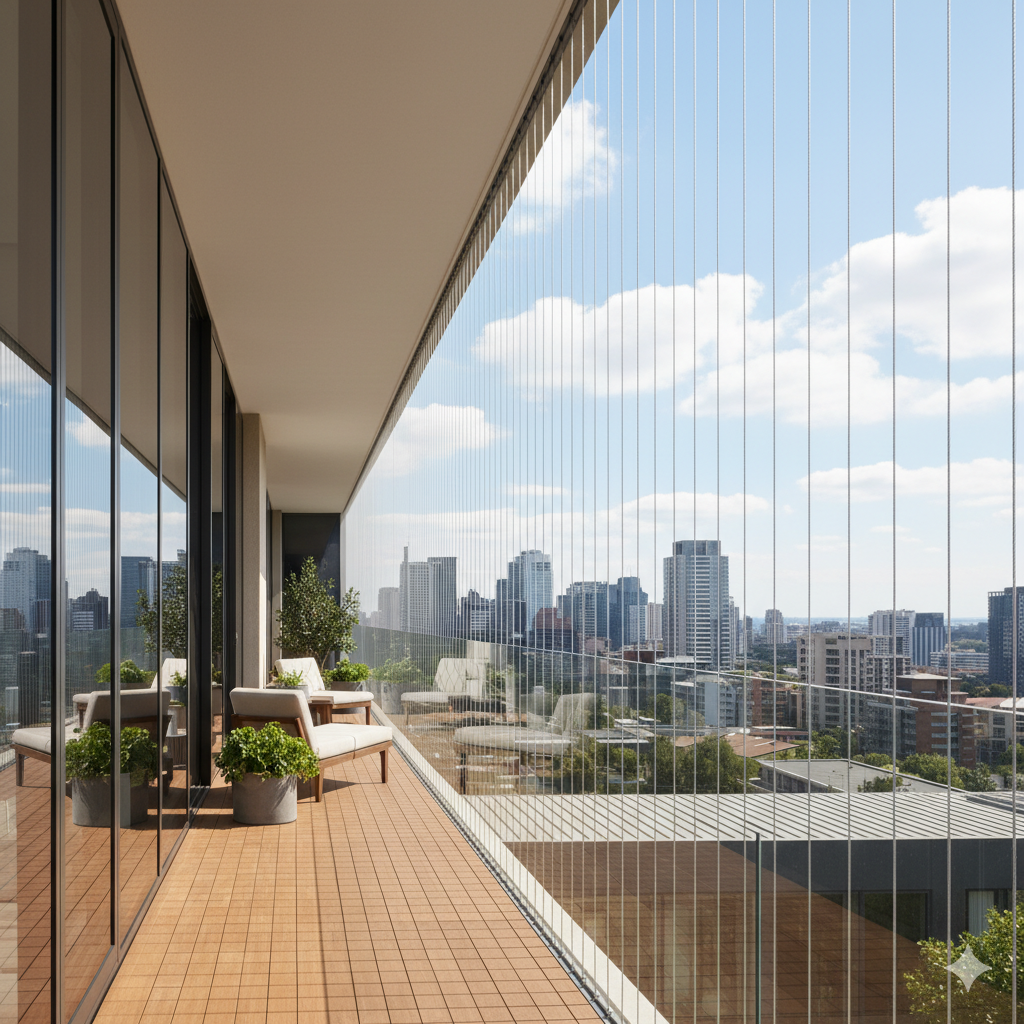
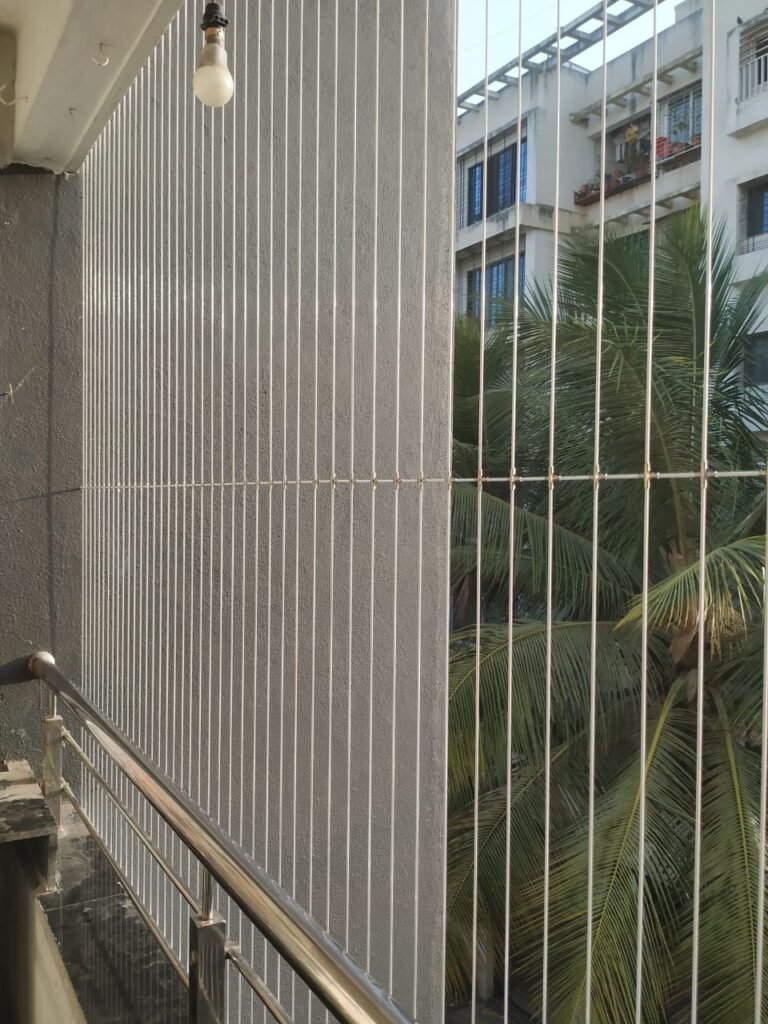
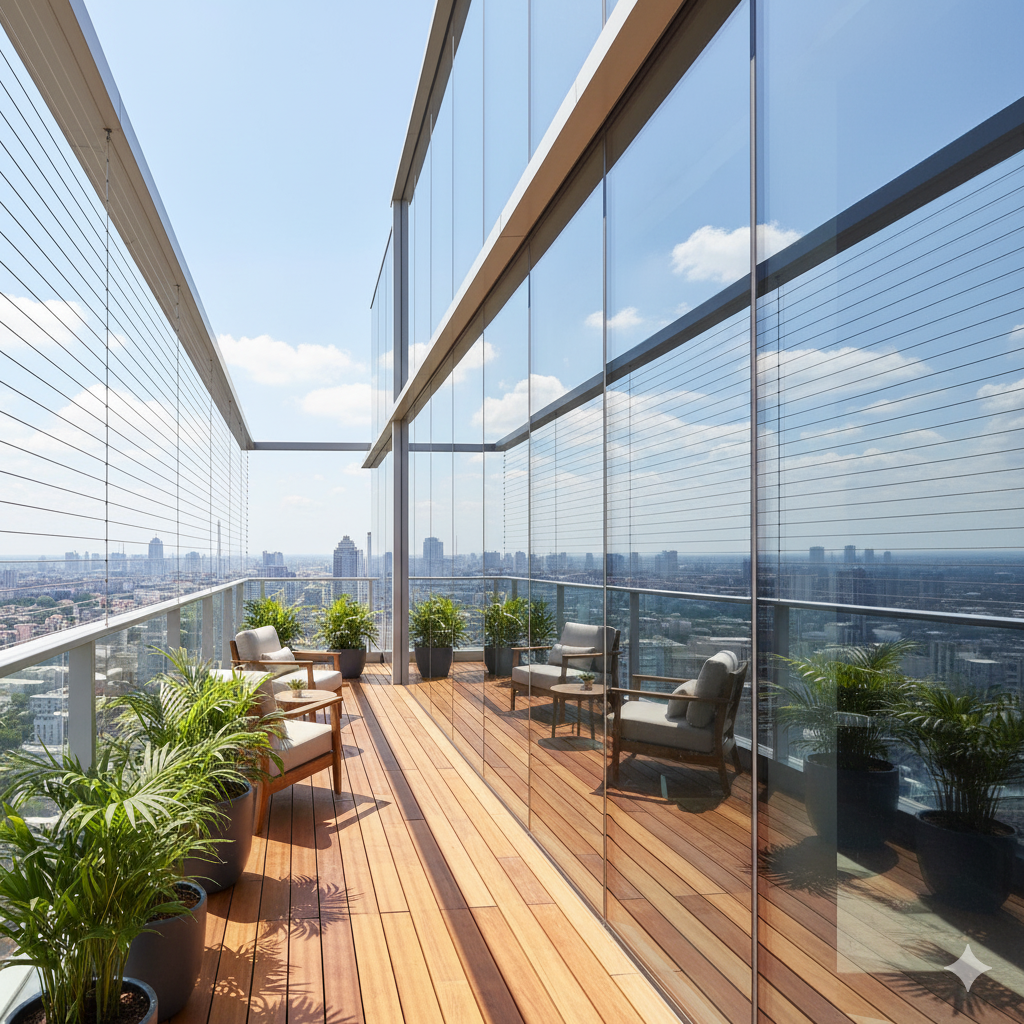
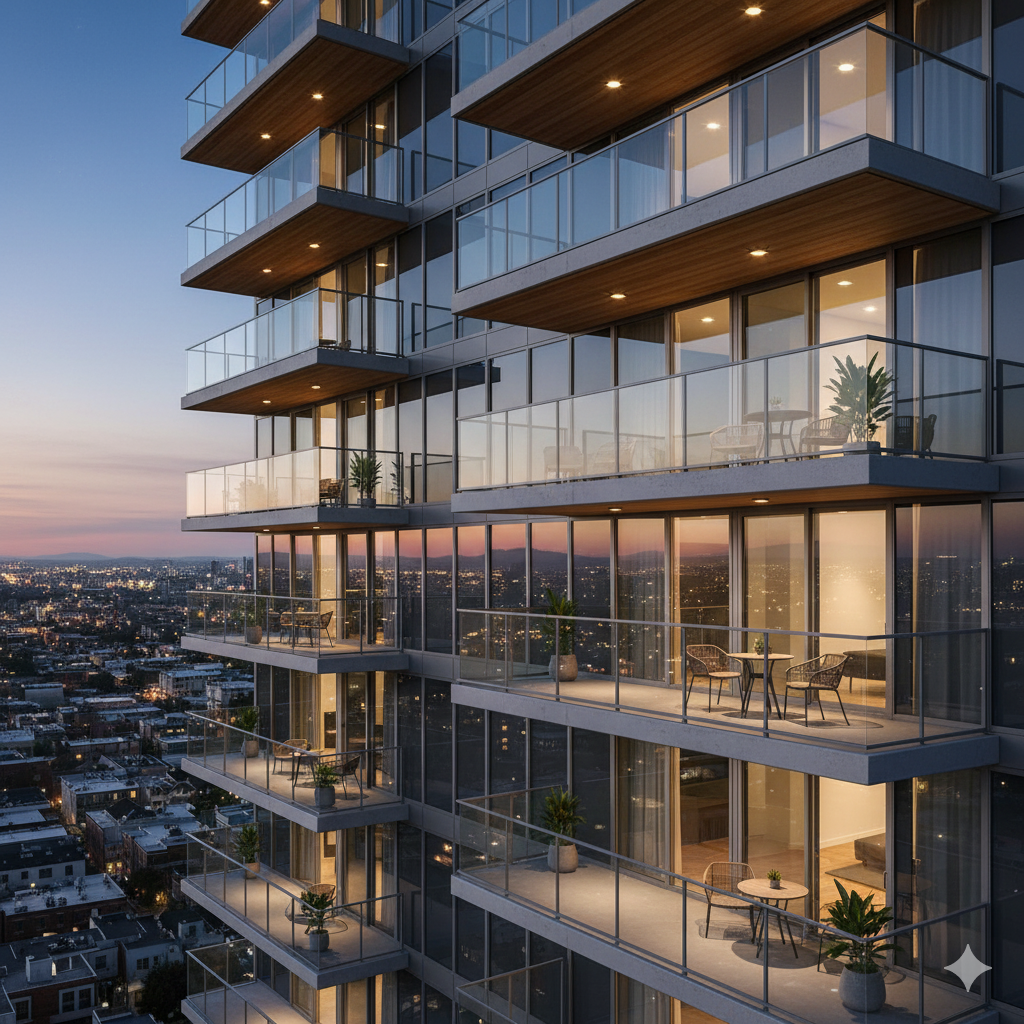
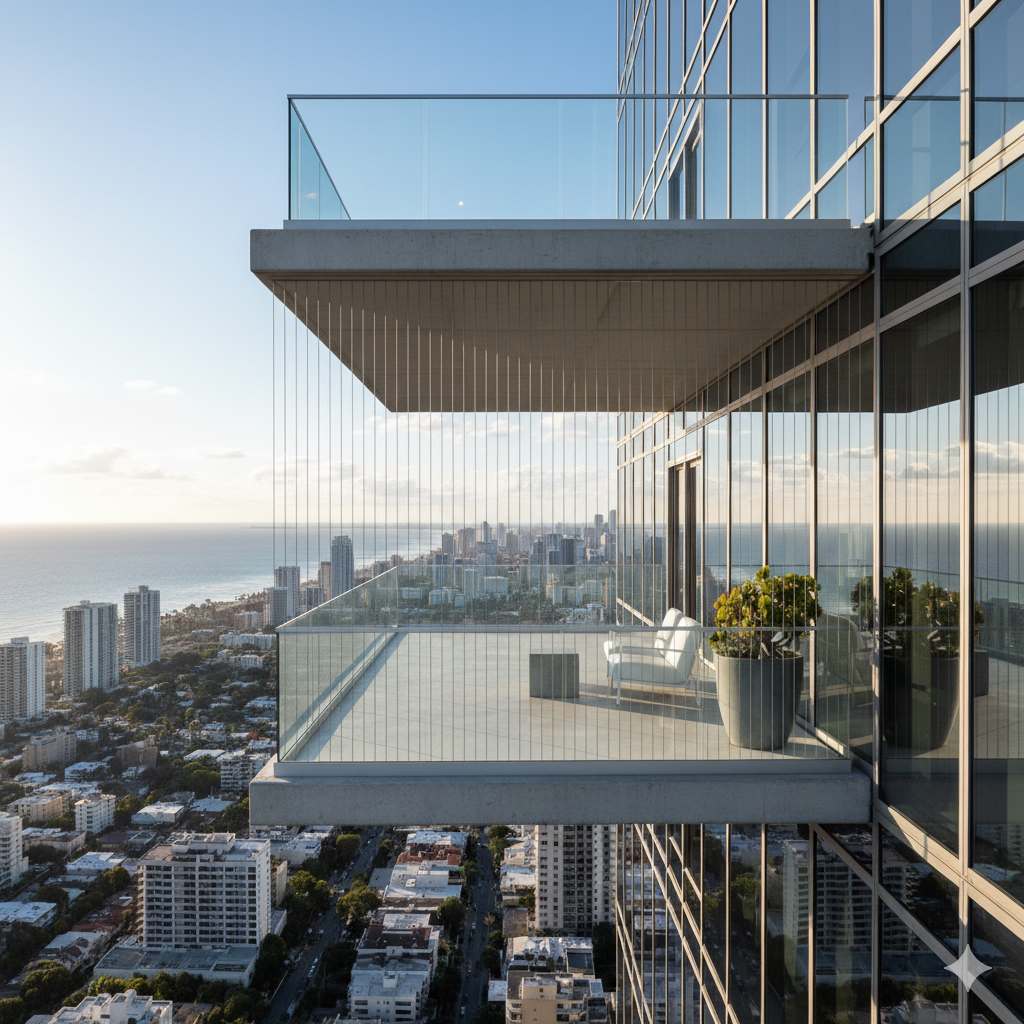
strong and modern number 1 balcony invisible grill installation
1. Safety
Top 1 Strong Invisible Grill Services in Moshi, Pune
Traditional Grills: They provide a good visual deterrent and a physical barrier. However, welding quality can vary, and over time, rust can weaken the joints, compromising safety.
Invisible Grills: Safety is where they excel. Each cable is made of high-tensile 316 stainless steel, capable of withstanding immense force. The professionally engineered system is more reliable than manually welded bars, providing consistent and superior protection.
2. Aesthetics & Lifestyle
Traditional Grills: This is their biggest drawback. They create a “caged-in” effect, block sunlight, and completely ruin the open feel of a balcony. They detract from the modern look of new buildings in areas like Hinjewadi or Baner.
Invisible Grills: They are the clear winner. By being nearly transparent, they preserve your panoramic view, allow maximum light and air, and make your space feel larger. They enhance the premium feel of your home.
3. Maintenance & Durability (The Pune Monsoon Test)
Traditional Grills: Pune’s heavy monsoon is the enemy of iron grills. They will inevitably rust. This means an annual cycle of scraping off old paint, applying primer, and repainting—a messy, costly, and time-consuming task.
Invisible Grills: Built with 100% rust-proof 316 marine-grade steel, they are completely immune to the effects of rain and humidity. They require zero maintenance. Install them once, and they will look the same for years to come.
4. Cost: Initial Investment vs. Long-Term Value
Traditional Grills: Their main advantage is a lower initial purchase price.
Invisible Grills: The initial investment is higher. However, when you consider the zero maintenance costs over their lifetime and the significant value they add to your property’s aesthetic and resale price, they offer far superior long-term value.
The Final Verdict for Pune Homeowners
If your primary concern is the lowest possible upfront cost, a traditional grill might seem appealing.
However, for homeowners who value **long-term durability, zero maintenance, an open and modern aesthetic, and uncompromising safety**, the choice is clear. **Invisible grills are the superior investment for any modern home in Pune and PCMC.**
Ready to Upgrade to a Modern Safety Solution?
Contact Ideal today for a free, no-obligation consultation and quote for our premium invisible grill services.
Introduction to Grills
Grilling is a popular culinary practice that involves cooking food over an open flame or heat source. It is not only a method of preparing meals but also a social activity that brings friends and families together. The choice of a grill can significantly impact the grilling experience, and this choice often comes down to two primary types: invisible grills and traditional grills. Understanding these options can help homeowners make informed decisions based on their safety, aesthetic, and functional preferences.
Traditional grills, often characterized by their visible frameworks and open design, have long been favored for their robust construction and ease of use. They come in various forms, including gas, charcoal, and electric variants. The primary appeal of traditional grills lies in their familiarity and the classic grilling experience they offer. However, these grills can pose some safety risks, particularly in environments with children or pets, due to the absence of protective barriers.
On the other hand, invisible grills represent a modern innovation in outdoor cooking technology. Unlike traditional grills, invisible grills utilize advanced materials that create a nearly transparent barrier around the cooking area. These grills are designed to enhance safety by preventing accidents without obstructing the view of outdoor spaces. Additionally, invisible grills can blend seamlessly with patio designs, allowing for a more aesthetically pleasing environment. This attribute makes them an appealing option for homeowners looking to maintain the visual integrity of their outdoor areas while prioritizing safety.
The emergence of invisible grills raises questions about the functionalities they offer in comparison to traditional grills, including heat distribution, ease of cleaning, and overall grilling performance. As we delve deeper into this topic, we will explore these differences further, aiding homeowners in determining which type of grill aligns best with their lifestyle and safety considerations.
Understanding Traditional Grills
Traditional grills are widely recognized for their classic design and functionality, serving as essential elements in residential settings. These grills typically consist of a robust frame constructed from materials such as wrought iron or aluminum, offering both durability and aesthetic appeal. The design usually features horizontal or vertical bars that create a barrier while providing visibility. This allows residents to maintain an open sense of space even when security is a priority.
The installation process for traditional grills can vary based on specific needs and conditions of the property. Generally, they are anchored directly to walls or window frames, offering a permanent solution that ensures security. This fixed installation can serve to protect against intrusions while allowing for air circulation and light penetration. Some traditional grills are further enhanced with decorative elements, which contribute to their visual appeal and integrate well within a variety of architectural styles.
One notable advantage of traditional grills is their reliability; the sturdy materials used ensure long-lasting protection, which appeals to many homeowners. Additionally, they can deter potential burglars effectively, as they represent a physical barrier that must be overcome. However, despite their benefits, traditional grills are not without drawbacks. Their permanence may not suit every aesthetic preference, and they can obstruct the view to an extent, diminishing the openness of a living space.
Moreover, traditional grills can sometimes contribute to an enclosed feeling, particularly in urban environments where view and light are at a premium. This aspect necessitates careful consideration during the planning stages, as the desire for security must be balanced with the need for visibility and openness. Overall, traditional grills have distinct characteristics that set them apart from contemporary alternatives, like invisible grills, making them a popular choice in residential applications.
Unveiling Invisible Grills
Invisible grills represent an innovative approach to safety and aesthetics in architectural design, particularly in residential and commercial buildings. Unlike traditional grills, which often consist of robust metal bars or welded structures that can obstruct views and mar the overall visual appeal of a space, invisible grills utilize a transparent mesh material that creates an unobtrusive barrier. This type of grill is engineered to maintain both security and visibility, allowing for unobstructed sightlines while offering protection from falls and intrusions.
The design of invisible grills is rooted in advanced technology that allows for the construction of high-tensile strength materials. These grills are typically made from stainless steel wire and feature a unique tensioning system that enables them to withstand significant force without compromising the integrity of the installation. The result is a product that not only enhances the safety of a property but also complements modern architectural trends that favor minimalism and openness.
One of the standout characteristics of invisible grills is their ability to blend seamlessly with the structural lines of a building. By providing a transparent yet sturdy boundary, these grills preserve the aesthetics of a balcony or a terrace, ensuring that the architectural elements are showcased rather than concealed. In contrast to traditional grills, invisible grills do not interfere with light passage or airflow, contributing to a more pleasant living environment.
Furthermore, safety is a primary concern met by invisible grills, which are designed to comply with stringent building codes. Their installation minimizes the risks associated with falls, particularly in high-rise structures, making them an ideal choice for urban environments. The unique combination of safety features, aesthetic appeal, and advanced technology sets invisible grills apart from conventional grill structures, offering an appealing alternative for those seeking to enhance both security and beauty in their spaces.
Comparative Safety Features
When evaluating safety features in the context of invisible grills versus traditional grills, it is essential to consider the different ways each type can address fall prevention while maintaining aesthetic appeal. Invisible grills, particularly favored for their minimalistic design, offer enhanced safety without obstructing the view. These grills are typically made of high-strength materials such as stainless steel or durable PVC, designed to withstand significant impact. The transparent nature of invisible grills ensures that they do not become a visual barrier, allowing for unobstructed sightlines, which can be particularly crucial in urban environments where views play a significant role in a homeowner’s experience.
Traditional grills, while certainly effective at providing a barrier against falls, are often bulky and can detract from the overall ambiance of a space. They generally feature solid railings or bars, which, although secure, can create visual obstructions. This can be a critical disadvantage for those living in high-rise buildings or properties with scenic landscapes, as traditional grills can interfere with the appreciation of surroundings. Moreover, while they serve their primary function of fall prevention, traditional grills may not always be constructed with the same level of durability as their invisible counterparts, potentially leading to long-term safety concerns.
Furthermore, the maintenance of traditional grills often involves regular checks for rust, corrosion, and structural integrity, which may compromise their safety over time. In contrast, the materials used in invisible grills are resistant to weathering, requiring less frequent maintenance. The combination of visibility and structural integrity provided by invisible grills contributes to a safer environment, alleviating concerns of both falls and visual obstructions. Consequently, when weighing the safety features of invisible versus traditional grills, it becomes evident that invisible grills offer a unique solution that aligns with contemporary design preferences without sacrificing security. This makes them an increasingly popular choice among homeowners focused on both safety and aesthetics.
Aesthetic Appeal and Customization Options
Invisible grills have gained popularity in contemporary architecture due to their ability to enhance the aesthetic appeal of homes. Unlike traditional grills, which often appear bulky and obtrusive, invisible grills provide an unobstructed view, allowing for a more open and airy atmosphere. This clear design integrates seamlessly into a variety of architectural styles, creating a sense of spaciousness while ensuring safety and security. Homeowners often appreciate that these grills come in a variety of invisible options, often described as frameless or virtually invisible, because they do not distract from the overall design of the building.
In terms of customization, both invisible and traditional grills offer a range of options to suit diverse preferences and architectural themes. Invisible grills can be tailored in terms of wire thickness, spacing, and even the choice of materials, effectively complementing modern design elements such as large glass facades or minimalist aesthetics. This flexibility means that they can be designed to match or contrast harmoniously with existing materials in use, including wood, stone, and stainless steel.
On the other hand, traditional grills provide their own customization opportunities. They can be manufactured in numerous colors, finishes, and patterns, from ornate wrought iron designs to sleek aluminum structures. Homeowners can select different styles, from classic to contemporary, ensuring that their grill aligns with their home’s architectural identity. Furthermore, various coatings and treatments can enhance the durability of traditional grills while also providing a stylish finish that can resist environmental wear.
Ultimately, the choice between invisible grills and traditional options comes down to personal preference and the overall design vision of the home. By understanding the aesthetic benefits and customization possibilities offered by each type, homeowners can make an informed decision that enhances both their property’s appearance and functionality.
Maintenance and Durability Comparison
When selecting between invisible grills and traditional grills, maintenance requirements and durability are pivotal factors for homeowners. Invisible grills are typically constructed from high-strength stainless steel or advanced nylon materials, making them both corrosion-resistant and robust. These materials contribute to a longer lifespan, often exceeding ten years with proper upkeep. The transparent nature of these grills does not significantly compromise their structural integrity; rather, they offer a sleek, modern appearance while ensuring safety.
On the other hand, traditional grills, which are often made from wrought iron or similar metals, may require more frequent maintenance. Wrought iron is known for its strength, but it is also susceptible to rust and corrosion, particularly in regions with high humidity or precipitation. To maintain the aesthetic appeal and structural soundness of traditional grills, homeowners typically need to apply protective coatings, such as paint or rust-resistant treatments, every few years. This added upkeep can increase the overall long-term costs associated with traditional grill maintenance.
Cleaning practices also differ between the two options. Invisible grills require minimal maintenance, as they can be easily wiped down with a cloth or mild detergent to remove any accumulated dirt or dust. Their design eliminates crevices where debris can accumulate, simplifying the cleaning process. Meanwhile, traditional grills often have intricate designs that can trap dirt and require more intensive cleaning efforts to maintain their appearance. In terms of performance during various weather conditions, invisible grills tend to excel due to their resilient materials, effectively resisting wind, rain, and UV exposure without degrading over time.
Ultimately, the choice between invisible and traditional grills hinges on a homeowner’s priorities regarding maintenance and durability. By understanding the materials used and the upkeep required, one can make a more informed decision that aligns with their long-term needs and preferences.
Cost Analysis: Traditional vs. Invisible Grills
When evaluating the financial implications of installing traditional grills versus invisible grills, it is crucial to consider both short-term and long-term costs. The initial installation cost for traditional grills generally ranges from $100 to $300 per linear foot, depending on the material and complexity of the design. Labor costs can further increase this total, given that skilled professionals are often required for secure installation. In contrast, invisible grills typically range from $60 to $150 per linear foot, making them a more budget-friendly option upfront.
Beyond installation, potential repairs and maintenance should also be factored into a comprehensive cost analysis. Traditional grills, made from materials such as wrought iron or steel, may require periodic repainting, rust treatment, and structural repairs, particularly in regions with harsh weather conditions. Annual maintenance for traditional grills can amount to several hundred dollars, depending on the wear and tear experienced. On the other hand, invisible grills are designed to be low-maintenance. Their materials are often resistant to corrosion and staining, which minimizes the need for upkeep. Attending to any repairs typically involves replacing individual panels, which is comparatively less costly and labor-intensive.
Another vital aspect to assess is the overall value for money. Traditional grills, while they provide robust security and aesthetic charm, may not always offer the best return on investment due to their susceptibility to damage and required maintenance. Invisible grills, while less visually striking for some, excel in modern security solutions without detracting from the view, thus appealing to homeowners focused on functionality and style. Moreover, invisible grills can often enhance property value, as their contemporary design is increasingly sought after in the real estate market.
In summary, the decision to invest in traditional versus invisible grills should encompass a thorough cost analysis, factoring in both upfront and ongoing expenses, alongside the potential for increased property value.
Real-Life Installations and Customer Testimonials
The choice between invisible grills and traditional grills has become a pertinent topic among homeowners seeking both safety and aesthetic appeal. To better understand the advantages and user experiences associated with each option, we will explore several real-life installations and customer testimonials that highlight the effectiveness and satisfaction of these products in residential settings.
One notable case involves the Smith family, who recently transitioned from traditional grills to invisible grills in their high-rise apartment in downtown. “Initially, we were concerned about security,” Mrs. Smith shared. “However, after installing the invisible grills, we felt a significant relief. They provide the same level of safety without obstructing our view. Plus, the modern design complements our décor.” This sentiment is echoed by other users who praised how invisible grills maintain the openness of a space while ensuring child safety and preventing accidental falls.
Conversely, some homeowners have opted to stick with traditional grills, citing their durability and time-tested effectiveness in securing their homes. Mr. Johnson, who resides in a suburban area, commented, “I appreciate the classic look of traditional grills. They provide me with peace of mind, knowing that they have stood the test of time.” Such testimonials indicate that while some prefer the contemporary feel of invisible grills, others value the historical reliability of traditional options.
Another interesting perspective comes from the Nguyen family, who installed invisible grills on their balconies but retained traditional grills on their ground-level windows. “We wanted the best of both worlds,” Mrs. Nguyen explained. “The invisible grills give our balcony an open-air feel, while the traditional grills ensure security on the first floor. It’s a perfect compromise.” These real-life installations underscore the fact that the choice between invisible and traditional grills ultimately hinges on individual preferences and specific residential needs.
Conclusion: Making the Right Choice
In the ongoing debate between invisible grills and traditional grills, several key differences and advantages stand out. Invisible grills, known for their aesthetic appeal and safety features, offer a modern solution that enhances the look of any home without obstructing the view. Made from high-quality stainless steel or durable nylon, these grills are designed to be nearly invisible while providing effective protection against falls, particularly in high-rise apartments and homes with balconies. This transparency allows for natural light to flood in, maintaining the ambiance of a space without compromising safety.
On the other hand, traditional grills, while offering their own set of benefits, often come with certain drawbacks such as obstructing the visual landscape and potentially hindering green views. They are also typically bulkier, requiring more maintenance over time to prevent rust or weather-related damage. However, traditional grills may appeal to those who prefer a more classic look or who have specific security needs, given their robust construction. Determining the best choice between the two ultimately hinges on individual preferences, specific safety requirements, and the overall aesthetic vision for the property.
When evaluating these options, it is essential to assess your lifestyle and home environment. For instance, families with young children or pets may lean towards the safety features of invisible grills, whereas homeowners in more rural areas might consider traditional grills to provide a sense of security. In considering functionality, aesthetic appeal, and safety, one can make a well-informed choice. Ultimately, whether you choose invisible or traditional grills, both serve the fundamental purpose of ensuring safety while respecting the unique style of your home.