
Creative Applications for Invisible Grills installation
Thinking Beyond the Balcony
When homeowners in Pune think of invisible grills, they almost always picture a balcony. While this is their most popular application, the versatility of this modern safety system extends far beyond. At Ideal, we specialize in customizing invisible grills for a wide range of applications, providing a seamless blend of safety and style throughout your home and business. Invisible Grills installation

Invisible Grills for Windows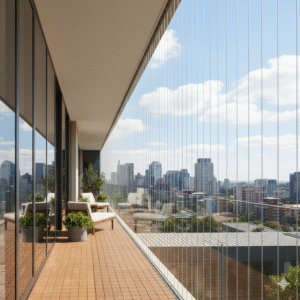
Invisible Grills installation
Secure your windows without the “prison-bar” look. Invisible grills are the perfect solution for ensuring child safety on windows, especially in bedrooms and play areas, without sacrificing natural light or ventilation.
- Provides complete fall protection. Invisible Grills installation
- Allows maximum sunlight and airflow.
- Maintains the clean facade of your building.

Modern Staircase RailingsInvisible Grills installation
For duplex apartments, bungalows, or homes with mezzanines in Pune, invisible grills create stunningly modern and safe staircase railings. They provide a strong safety barrier while creating a sense of openness and light between floors.Invisible Grills installation 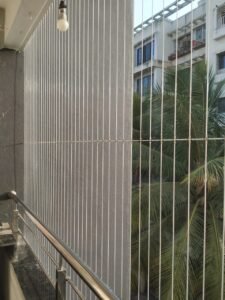
- Creates a minimalist, high-end look.
- Prevents falls, especially for children.
- Makes stairwells feel brighter and more spacious.

Securing Existing Railing Gaps Invisible Grills installation
Many traditional railings have wide horizontal gaps that can be a climbing hazard for small children. We can install vertical invisible grills to cover these gaps, instantly child-proofing your existing railings without needing a complete replacement.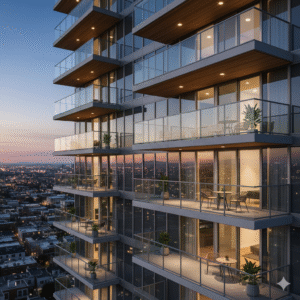
- A cost-effective safety upgrade.
- Eliminates climbing hazards.
- Integrates seamlessly with existing designs.

Commercial & Public Spaces
The sleek and professional look of invisible grills makes them ideal for commercial applications. We provide solutions for office atriums, hotel walkways, showroom railings, and any public space requiring safety without a bulky appearance.Invisible Grills installation
- Enhances corporate and retail aesthetics.
- Provides necessary public safety.
- Durable and maintenance-free for high-traffic areas.Invisible Grills installation
Have a Unique Project in Mind?
If you have a space that needs a modern safety solution, we can help. Contact our expert team in Pune to discuss your unique requirements.
Introduction to Invisible Grills
Invisible grills represent a modern solution in architectural safety, combining aesthetics with functionality. Essentially, these grills are composed of high-tensile strength stainless steel cables, strategically tensioned to create a virtually invisible barrier that enhances the safety of balconies, staircases, and various open spaces while allowing unobstructed views. Unlike traditional metal grills, invisible grills are designed to be minimally invasive, providing security without compromising the visual appeal of the property.
The mechanism behind invisible grills is straightforward yet innovative. These installations utilize a series of parallel cables, secured to supporting structures at each end. The spacing between the cables is designed to prevent falls, particularly for children and pets. This configuration ensures that safety is maintained without the bulkiness associated with conventional grills, making them increasingly popular in contemporary architecture and design settings.
As urban environments grow denser and people seek to maximize their living space while maintaining an open atmosphere, invisible grills have gained momentum. Their rising popularity can be attributed not only to their sleek appearance but also to their versatility in various applications, ranging from residential homes to high-rise buildings. The ability to customize the installation layout according to specific needs and aesthetic preferences has contributed to their appeal among architects and interior designers.
The benefits of using invisible grills extend beyond safety. They are low maintenance, resistant to corrosion, and can enhance the resale value of properties due to their modern appeal. Additionally, these grills contribute to natural lighting and airflow in living spaces, providing a seamless connection between indoor and outdoor environments. With an increasing focus on innovative design elements, the adoption of invisible grills continues to expand, shaping the future of architectural safety solutions.
Safety and Security Benefits
Invisible grills have emerged as a significant innovation in the realm of safety and security for both residential and commercial properties. One of their primary advantages is their ability to provide a protective barrier that prevents falls, particularly in high-rise buildings, without compromising the overall aesthetic appeal. These grills significantly minimize the risk of accidents while offering an unobstructed view, thus serving the dual purpose of safety and maintaining the visual integrity of the space.
Furthermore, the installation of invisible grills also enhances security features for homes and businesses. As crime rates fluctuate, property owners are increasingly seeking robust security solutions that do not detract from the environment. Invisible grills act as an effective deterrent against break-ins, as they are designed to be highly resistant to force, making it incredibly challenging for intruders to gain unauthorized access. The transparency of the grills adds an additional layer of reassurance for property owners, as they can monitor their surroundings without any barriers obstructing their line of sight.
In addition to their physical properties, the versatility of invisible grills contributes to their safety benefits. They can be customized to suit various architectural styles and preferences, melding seamlessly with existing designs while improving safety standards. This adaptability ensures that property owners can prioritize both security and aesthetic appeal without sacrificing one for the other. Ultimately, the integration of invisible grills in various settings provides peace of mind, knowing that the space is fortified against accidents and break-ins while facilitating an open and inviting atmosphere for residents and guests alike.
Architectural Integration
Invisible grills offer architects a versatile solution for enhancing building designs while ensuring safety. These innovative installations can be seamlessly incorporated into various structural components such as balconies, stairwells, and large glass facades. By utilizing invisible grills, architects can maintain an uninterrupted visual aesthetic while still meeting the necessary safety regulations mandated for modern structures.
For balconies, the challenge often lies in balancing the need for safety with the desire for unobstructed views. Traditional railing systems can obstruct the panorama, detracting from the overall appeal of a building. However, with the integration of invisible grills, architects can design balconies that exude elegance while providing the required protection. These grills can be custom-fitted to complement the architectural design, ensuring that they enhance the beauty of the facade without compromising the experience of the occupants.
In stairwells, invisible grills can serve a dual purpose. Not only do they ensure safety by preventing accidental falls, but they also contribute to the visual continuity and openness that many modern designs aim to achieve. When employed in staircases, these grills can create a sense of airiness and flow, encouraging natural light to permeate throughout the space. Their minimalistic design often translates to fewer visual distractions, allowing other architectural elements to shine.
Lastly, the incorporation of invisible grills in large glass facades represents a significant advancement in architectural design. These expansive installations enhance the interplay between interior and exterior spaces, yielding a harmonized relationship between occupants and their surroundings. By employing invisible grills, architects can craft stunning glass facades that provide both functionality and beauty, ultimately elevating the architectural integrity of the entire structure.
Interior Design Applications
Invisible grills are increasingly becoming a popular choice in interior design, offering a modern solution for space division without compromising aesthetic appeal. Their transparent nature allows for the creation of distinct areas within a room while keeping sightlines open, which is particularly advantageous in smaller spaces or open floor plans. This innovative concept not only enhances functionality but also maintains the visual flow, making any interior feel more spacious and inviting.
One creative application of invisible grills is in the demarcation of living and dining areas. These grills can be installed to provide a subtle barrier, ensuring that these spaces serve their respective functions without the need for bulky furniture or traditional partitions. By choosing various materials, such as stainless steel or nylon, homeowners can tailor the installation to match their interior theme. For instance, a contemporary space might benefit from sleek, minimalist designs, whereas a more eclectic interior could incorporate colored or textured grills as a design statement.
Invisible grills can also be used for privacy in bedrooms or home offices, allowing natural light to permeate while preventing a feeling of enclosure. This versatility makes them a valuable asset not just for their functional purposes, but also as a design element that can enhance the overall ambiance. Additionally, since the grills come in different finishes and designs, they can harmoniously blend with existing decor or serve as a focal point, depending on the homeowner’s preference.
Moreover, using invisible grills permits innovative lighting solutions, such as backlighting or integration with suspended light fixtures, further enhancing the interior atmosphere. This adaptability underlines the appeal of invisible grills in contemporary interior design, revolutionizing how spaces are created and experienced.
Outdoor Spaces and Landscaping
In recent years, invisible grills have emerged as a popular choice for enhancing safety in outdoor environments without compromising aesthetic appeal. These innovative installations are particularly beneficial for patios, decks, and gardens, where homeowners seek to create secure spaces while retaining unobstructed views of the landscape. The charm of outdoor spaces is significantly elevated when invisible grills are utilized for their functionality and design versatility.
One of the primary advantages of invisible grills is their capacity to provide a sense of security, especially in areas where children and pets play. For instance, when integrated into patios or decks, these grills act as a protective barrier, ensuring that loved ones can enjoy the outdoor experience without the risk of accidental falls. This safety aspect is crucial to fostering leisure and enjoyment in family gatherings or social events held outdoors.
Moreover, the transparent design of invisible grills allows for the seamless integration of creative landscaping ideas. Gardeners and landscape designers can enhance the visual appeal of outdoor spaces by utilizing plants, sculptures, or water features that align harmoniously with the grill’s aesthetics. The grills offer an unobstructed view of the surrounding landscape, allowing the natural beauty of gardens to shine through. This unobtrusive design approach not only complements outdoor features but also contributes to an open and airy atmosphere.
By choosing invisible grills, homeowners can create outdoor areas that are both inviting and secure. The ability to harmonize safety with beautiful surroundings develops a unique environment ideal for relaxation and recreation. Consequently, the installation of invisible grills in outdoor spaces represents a smart investment for those looking to elevate their landscapes while ensuring a safe environment for all users.
Commercial Applications
Invisible grills have gained significant traction in commercial settings, proving to be a versatile and innovative solution for various businesses, including restaurants, cafes, and office spaces. One of the primary benefits of installing invisible grills is their ability to enhance the customer experience. By providing unobstructed views, these installations allow patrons to enjoy their surroundings without distraction. In restaurants and cafes, guests can appreciate the outdoor environment, making their dining experience more enjoyable and immersive.
Furthermore, invisible grills offer a key safety advantage for businesses. By creating a secure barrier without compromising visibility, establishments can ensure the safety of their customers, especially in locations with balconies or upper floors. This feature is particularly essential in urban areas where safety concerns may arise. Owners can rest assured that their patrons are protected while employees can focus more on service quality rather than safety issues.
Maintaining an open and inviting atmosphere is crucial for any commercial venture. Invisible grills achieve this by providing security while preserving the aesthetic appeal of the space. The transparent nature of these grills allows natural light to flow freely, contributing to a warm and welcoming ambiance. This can be particularly advantageous during busy hours when businesses strive to create a pleasant environment for both patrons and staff. These installations can also be customized to suit the design and branding of the business, further enhancing the overall ambiance.
In conclusion, the application of invisible grills in commercial environments showcases their multifaceted benefits. By enhancing customer experience, ensuring safety, and maintaining an inviting atmosphere, invisible grills emerge as an innovative solution for businesses seeking to thrive in competitive markets.
Innovative Marketing Strategies
In the competitive realm of home improvement and safety solutions, innovative marketing strategies are essential to differentiate invisible grills from conventional options. One effective approach is to develop unique selling propositions (USPs) that highlight the benefits of invisible grills, such as enhanced safety, unobtrusive design, and long-lasting durability. By articulating these aspects clearly and compellingly, businesses can create a compelling narrative that resonates with potential customers.
To maximize visibility, leveraging social media platforms is crucial. Crafting visually appealing content that showcases the elegance and practicality of invisible grills can engage a wide audience. For instance, before-and-after images can vividly demonstrate the transformation a property undergoes with the installation of invisible grills. Additionally, live demonstrations through platforms like Instagram or Facebook can serve to convey not just the aesthetic appeal, but also the functional aspects of these products—such as the security they provide without compromising on style.
Moreover, encouraging satisfied customers to share their experiences can be a very effective strategy. Utilizing testimonials in various formats—such as video reviews, written reviews, or case studies—can build trust and credibility. Prospective customers often rely on the opinions of others when making purchasing decisions. By providing authentic testimonials, businesses can illustrate how invisible grill installations have positively impacted the lives of current users while simultaneously addressing common concerns about safety and aesthetics.
Incorporating these innovative marketing strategies can significantly enhance the appeal of invisible grills, ultimately driving consumer interest and increasing sales. By emphasizing unique attributes and engaging directly with audiences, companies can effectively position their products as the superior choice for security and design in both residential and commercial applications.
Sustainability Considerations
The adoption of invisible grills has gained momentum not only for their aesthetic appeal but also for their sustainability features. Traditional safety structures, such as iron grills, often contribute to waste and require significant resources during manufacturing. In contrast, invisible grills utilize advanced materials like stainless steel and high-strength polycarbonate, which are known for their durability and longevity. These materials help minimize environmental impact over time, reducing the frequency of replacements and maintenance needed.
One significant aspect of sustainability in invisible grill installations is the opportunity for using eco-friendly materials. Several manufacturers are now exploring options such as recycled steel or biodegradable materials that offer the same safety features without the detrimental ecological footprint. By opting for such sustainable materials, homeowners and builders can contribute to the reduction of landfill waste and promote a circular economy in construction practices.
Additionally, invisible grills can support a greener environment by eliminating the necessity for bulkier, less aesthetically pleasing safety barriers. Traditional grills often obstruct natural light and airflow, resulting in increased energy consumption for artificial lighting and climate control. In contrast, invisible grills maintain an unobstructed view, allowing for natural light to penetrate living spaces while minimizing reliance on electrical lighting. This, in turn, leads to reduced energy costs and a lower carbon footprint.
Furthermore, as urban areas increasingly adopt these innovative safety features, the collective impact on reducing metal manufacturing and contributing to sustainable living practices becomes evident. Ultimately, invisible grills represent a progressive shift toward combining safety with environmental consciousness. Their streamlined design not only enhances the visual appeal of buildings but also promotes a sustainable lifestyle that respects nature and prioritizes ecological integrity.
Conclusion and Future Trends
Invisible grills have emerged as a revolutionary concept in safety and architectural design, providing both functional and aesthetic benefits. The versatility of these installations allows for a seamless blend between safety mechanisms and modern aesthetics, making them increasingly popular in residential and commercial buildings alike. Key features such as improved visibility, reduced obstruction, and enhanced safety have driven their adoption in urban settings, where traditional railings often detract from the surrounding views.
As we look toward the future, we can anticipate several trends that may shape the development and installation of invisible grills. One notable trend is the integration of smart technology. With consumers becoming more tech-savvy, the incorporation of sensors and automation could lead to innovative solutions that enhance the functionality of invisible grills. For example, implementing smart locks or alarm systems could enhance security while maintaining the visual appeal of a property, providing peace of mind for homeowners.
Moreover, advancements in material science may pave the way for even more durable and lightweight compositions. These materials would not only provide enhanced safety but also offer increased flexibility in design options for architects and property developers. We may see a rise in tailored solutions that cater to unique architectural styles, encouraging creativity in the design and application of invisible grills.
Additionally, sustainability will likely play a significant role in the future of invisible grill installations. As the demand for eco-friendly construction continues to grow, the focus on materials that are recyclable or sourced responsibly could transition invisible grills into a greener technology. Furthermore, public awareness and desire for safer urban environments will prompt lawmakers to adapt building regulations, potentially leading to wider acceptance and integration of invisible grills across various property types.
In conclusion, the evolution of invisible grills is poised for a dynamic future, driven by technological advancements, design innovations, and sustainability concerns. These factors will collectively influence how these installations are perceived and implemented, making them an integral aspect of modern architecture moving forward.